
IMPACT
Stories of Change
Citizen urgency and responsiveness by duty bearers
CCJP-M advocacy committee members for wards 21, 22 and 27 who were trained on social accountability as well as advocacy strategies utilized knowledge gained to engage stakeholders. Advocacy committee members wrote a petition requesting the office of Minister of state to assist with the repairs St Augustine turn off bridge which had collapsed. Advocacy for the bridge began in 2023 when the project started. This was because the structure was no longer compatible considering the volume of traffic in the area because of mining activities. Hence the bridge collapsed in March 2025 and through citizen urgency duty bearers were requested by the community to urgently repair the bridge. The collapse of the bridge had detrimental effects on the community, leading to increased bus fares, isolation from other activities, and a halt to business operations, as the area became difficult to access.
Citizen urgency, along with the CCJP position paper submitted to the office of the Minister of State, contributed to the successful repair of the bridge. The Mutasa RDC and the DDC's office were also engaged to take action on the matter. The three offices collaborated by assessing the damage to the infrastructure, preparing the bill of quantities required for the repairs, and mobilizing resources. Private mining companies operating in the district were also engaged to provide funding for the repairs. This was success since private companies managed to contribute resources for the project. Therefore, CCJP-M noted that citizen urgency worked in pushing the issue as various platforms and strategies were used to advocate for the bridge. The community also utilized Tsvingwe whatsapp group to engage duty bearers and continuously demand action from them. The repair of the bridge indicates responsive of duty bearers to community concerns. As the bridge was repaired within a period of less than a month.
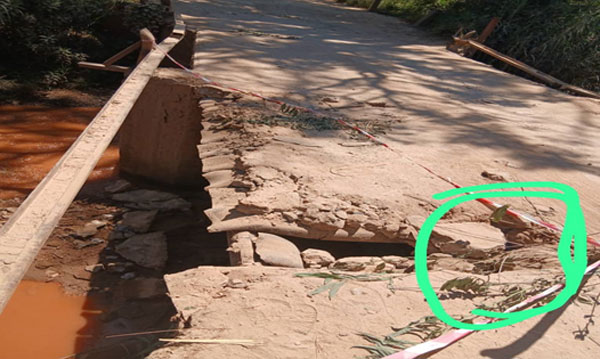
Figure 1:Situation before
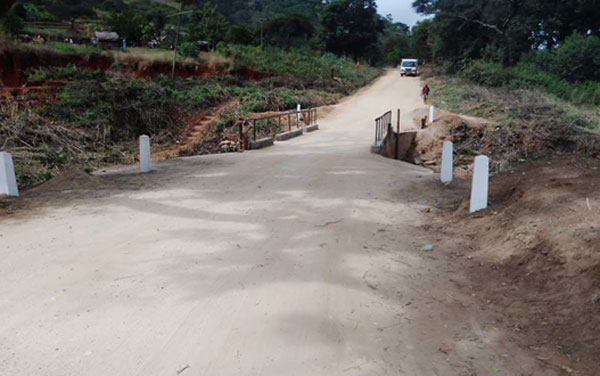
Figure 2:Situation after
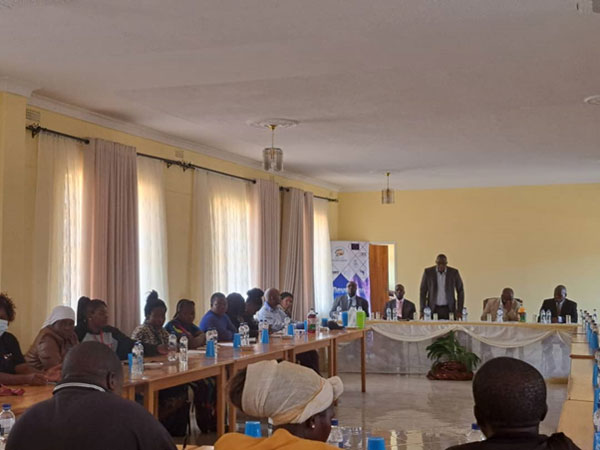
Figure 3: Provincial stakeholder engagement meeting.
This was a follow up meeting from the previous 2023 provincial stakeholder engagement. The meeting was attended by the Minister of State of Provincial affairs and devolution, Nyanga districts and Mutasa district representatives. He utilized the platform to give an update to the community on the progress made in terms of addressing their social service delivery issues.
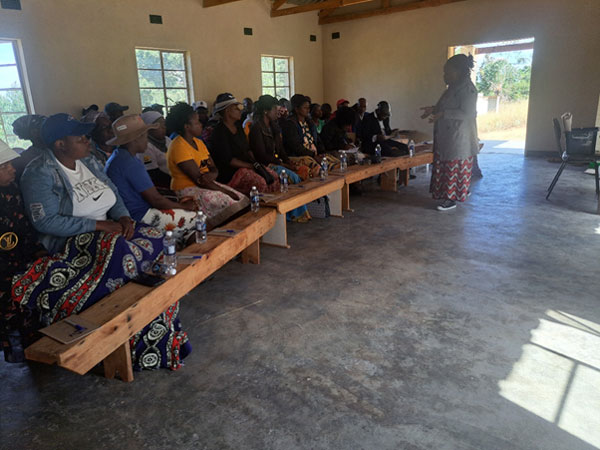
Figure 4: Community engagement meeting Mutasa ward 18
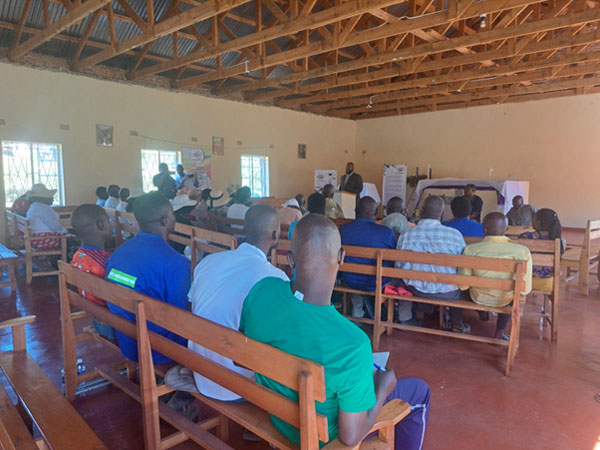
Figure 5. District citizen duty bearer engagement meeting held at St Michaels Penhalonga. Minister of State for Provincial affairs and devolution addressing community members from Mutasa ward 18 21, 22,24 and 27. He committed to address concerns raised by citizens during the dialogue which is a true reflection servant leadership and responsiveness by duty bearers.
Women taking action to promote access to health care
District: Mutasa District
Ward: Ward 13
Duty bearer engaged: Local Council
Mutasa ward 13 community members had difficulties in quickly accessing the nearest health care centre. Citizens with non-critical health conditions would travel more than 17 km to and from St Barbaras mission, which was the only mission hospital in the ward. In addition, they could travel longer to St David’s Bonda Mission Hospital, another health facility in the district. Some sick people had to hire cars to get to the clinic or stayed at home until they recovered. Maternal and child health care services were equally affected and unplanned home births were high.
There was a need for a clinic to serve five (5) villages namely Magadzire, Nyasvimbo, Nyamurundira, Mupatsi and Dirorimwe. Building a healthcare facility was on the ward development plans. The community mobilised resources, including devolution funds from the government, and constructed the clinic. However, the clinic could not be opened due to the absence of medical equipment.
In 2024, CCJP-Mutare, an organisation in the Human Rights Consortium, facilitated Women Voice Forums in the ward, prompting the women to raise the issue of the non-functional health centre in their community. The women agreed to approach the local councillor for the issues to be addressed.
It took a short period for the equipment to be purchased and for the clinic to be opened. Pregnant women can now deliver at the clinic, although there are no houses for nurses to stay in and plans to construct a mother’s shelter are still in progress. The right to human life is now being protected. In a focus group discussion conducted in December 2024 the women who spearheaded the process said, “We are glad that as women we can stand for our rights, and the rights of other women, which was something that we struggled to do alone. In most cases we would want a male counterpart to accompany us”. Another woman said, “Due to CCJP [Mutare] interventions our eyes were opened, and we are able to stand for ourselves”.
The Human Rights Project continues to ensure that women can advocate, demand and defend their rights through engaging relevant duty bearers.
Misereor success story
Trained Chief advocating for the stopping of illegal logging of timber in St Charles Lwanga Estate.
Situation before
There illegal logging of timber that was going on in the St Charles Lwanga. This was being carried out by different contractors that were sneaking to get timber for transmission poles, fencing poles and timber for furniture. The above practice led to serious land degradation as they pull the poles transporting them to the Road so that they will be ferried to different industrial areas. Adding on the practice was now threatening damaging the road as the trees helps to hold the soil.
Interventions
CCJP-M informed by its value of Stewardship of God’s creation and its strategic pillar on environment and climate Justice carried out the following action. Chief Muusha was engaged through environmental Action sessions that were carried out through the Misereor supported project where the community together with their duty bearers were informed on environmental rights through section 73 of the constitution of Zimbabwe as well as section 262 on functions of traditional leaders. Adding on a watchdog committee was also set up to monitor, document and report any cases of violations that might be going on in the Estate. The watchdog consisted of 10 community member and traditional leaders as well as women representatives.
Situation After
After the above actions illegal timber logging stopped in the Estate and companies and individuals that were responsible for the illegal logging of timber were summoned to Chief’s court and the issue was redressed.